

ALEX³ Case No. 13

Alexandra, 29 years from Russia

Clinical history

No allergic symptoms in early childhood; Around 10-12 years of age: rhinoconjunctivitis when visiting the countryside house; Allergy test performed in childhood showed sensitisation to animal dander and house dust mites; Symptomatic treatment with antihistamines

Family history

Father: grass pollen allergy

Present situation

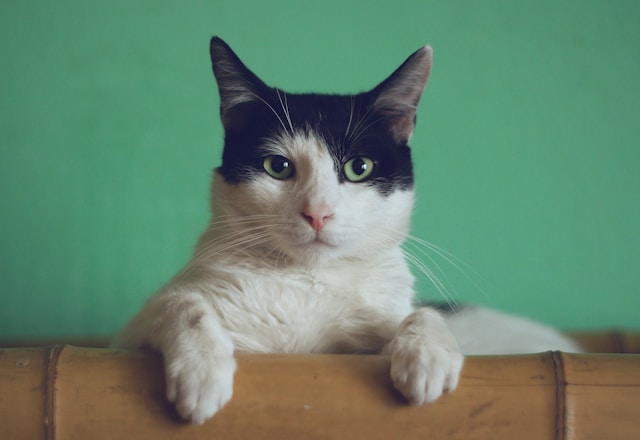
The patient recently moved into a household with two cats; Since then, her symptoms have progressively worsened and persist despite avoiding direct contact with the animals; She reports frequent coughing, episodes of urticaria, and pruritic ears treated with corticosteroids; Routine blood work revealed an elevated eosinophil count; ALEX³ test was performed

Alexandra's ALEX³ test results

Allergen source Allergen

Timothy grass

Phl p 1

Dog

Can f Fel d 1 like

Dog

Can f 1

Dog

Can f 3

Dog

Can f 6

Cat

Fel d 1

Cat

Fel d 2

Cat

Fel d 4

Cat

Fel d 7

Allergen source Biochemical designation

Timothy grass

Beta-Expansin

Dog

Uteroglobin

Dog

Lipocalin

Dog

Serum Albumin

Dog

Lipocalin

Cat

Uteroglobin

Cat

Serum Albumin

Cat

Lipocalin

Cat

Lipocalin

Allergen source IgE Level [kUA/L]

Timothy grass

0.54

Dog

1.47

Dog

6.34

Dog

2.80

Dog

0.62

Cat

4.23

Cat

5.98

Cat

5.89

Cat

22.83

Allergen source Allergen

Goat

Cap h_epithelia

Horse

Equ c 1

Horse

Equ c 3

Pig, epithelia

Sus d_epithelia

Pig, meat

Sus d 1

Lamb, meat

Ovi a_meat

Beef, meat

Bos d 6

Total IgE

x

Allergen source Biochemical designation

Goat

Extract

Horse

Lipocalin

Horse

Serum Albumin

Pig, epithelia

Extract

Pig, meat

Serum Albumin

Lamb, meat

Extract

Beef, meat

Serum Albumin

Total IgE

x

Allergen source IgE Level [kUA/L]

Goat

3.94

Horse

0.42

Horse

3.16

Pig, epithelia

2.63

Pig, meat

6.48

Lamb, meat

0.61

Beef, meat

0.83

Total IgE

142

Analysis

Grasses

  • Minor grass sensitisation (Phl p 1) is not clinically dominant

Lipocalin and serum albumin

  • Additional sensitisation to dog lipocalins (Can f 1, Can f 6) suggests cross-species reactivity and explains symptoms in environments with different animals
  • Sensitisation to serum albumins from several mammals (Fel d 2, Can f 3, Equ c 3, Sus d 1, Bos d 6) highlights a pan-allergen pattern, contributing to multi-animal symptoms

Cat allergens

  • Strong reactivity to multiple cat molecules (Fel d 1, Fel d 4, Fel d 7, Fel d 2) indicates a genuine and clinically relevant cat allergy

Summary

  • House dust mite sensitisation was not confirmed by ALEX³
  • ALEX³ revealed broad sensitisation to major cat allergens, especially the clinically relevant lipocalins Fel d 4 and Fel d 7, together with Fel d 1, confirming a genuine and strong cat allergy.
  • Co-sensitisation to dog allergens (Can f 1, Can f 6, Can f Fel d 1-like) and serum albumins from multiple mammals (Fel d 2, Can f 3, Sus d 1, Equ c 3, Bos d 6) explains her multi-species symptoms.
  • The albumin-lipocalin pattern indicates cross-reactivity, which can cause persistent symptoms even without direct contact. Elevated eosinophils and respiratory symptoms (coughing, rhinitis, pruritus) match the molecular sensitisation pattern. ALEX³ results highlight the need for environmental management, allergen avoidance, and potentially cat immunotherapy depending on feasibility

Novel findings revealed by ALEX³

  • Misdiagnosed HDM allergy
  • Strong reactivity to cat lipocalins + multi-mammal serum albumins
cat
alexandra alex case